
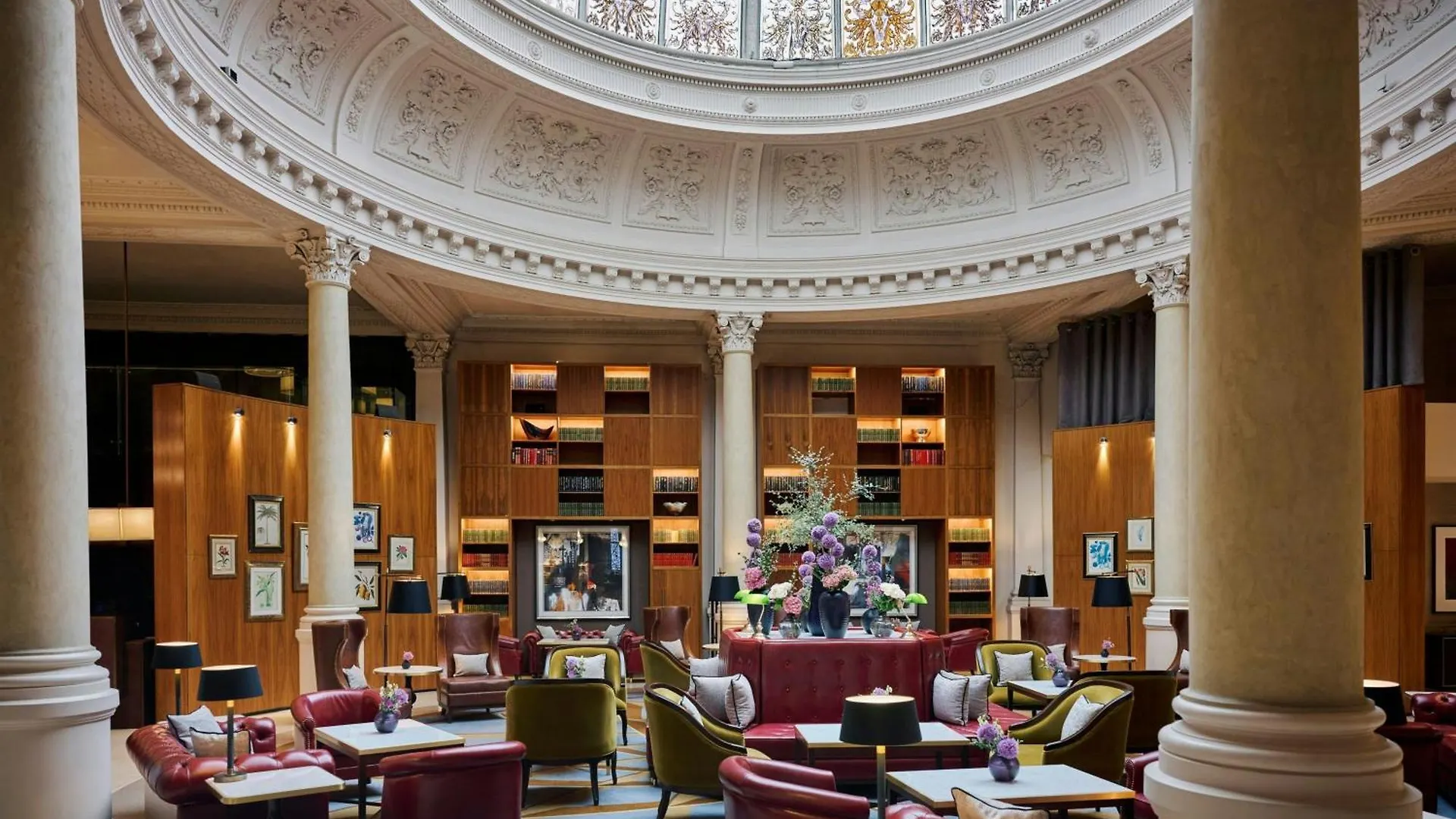
Marylebone sits between the chaos of Oxford Street and the calm of Regent's Park, making it one of London's most strategically positioned neighbourhoods for luxury travellers. The area's village-like high street, independent restaurants, and proximity to major cultural landmarks give it a distinct character that central hotel districts like Covent Garden or Mayfair cannot replicate. This guide covers five luxury hotels serving this part of London, with booking insights, micro-location analysis, and honest trade-off breakdowns to help you decide before you commit.
What It's Like Staying in Marylebone
Marylebone operates at a noticeably slower pace than the West End, yet Baker Street and Bond Street Underground stations put you within two stops of Oxford Circus and four stops of King's Cross. Most major Marylebone attractions are walkable within 15 minutes, including Regent's Park, the Wallace Collection, and Madame Tussauds. The neighbourhood draws a well-heeled, largely international crowd - less tourist-dense than Soho, more residential than the City - which means quieter streets after 10pm and fewer queues at local restaurants.
Pros:
Direct Bakerloo and Jubilee line access puts you minutes from Waterloo, Westminster, and Canary Wharf without changing trains
Marylebone High Street offers independent dining and boutique shopping with none of the Oxford Street overcrowding
Evening atmosphere is calm and safe, with well-lit streets and consistent foot traffic even late at night
Cons:
Luxury hotel supply in Marylebone proper is limited compared to Mayfair or Knightsbridge, meaning fewer same-night availability options
Taxis and rideshares during peak hours can be slower due to narrow residential streets with restricted access
The area lacks a late-night food and bar scene, which may disappoint guests wanting vibrant nightlife on their doorstep
Why Choose Luxury Hotels in Marylebone
Luxury hotels in Marylebone typically command rates that sit below comparable five-star properties in Mayfair or Knightsbridge - sometimes around 20% lower for equivalent room categories - while still delivering premium service, full concierge, and polished interiors. Room sizes in Marylebone luxury properties tend to be more generous than in City of London equivalents, given that the neighbourhood's historic townhouse and mansion stock allows for higher square footage per room. The trade-off is that dining and entertainment options within walking distance are more curated and fewer in number, so guests expecting a Mayfair-level density of Michelin-starred restaurants nearby will need to factor in short taxi or tube journeys.
Pros:
Premium amenities - spa access, in-room marble bathrooms, 24-hour room service - at rates that undercut central Mayfair by a meaningful margin
Quieter street-level environment means rooms facing the street are far less affected by noise than equivalent properties near Piccadilly or the Strand
Strong transport connectivity allows luxury travellers to reach business hubs in the City of London or cultural destinations in South Kensington within 20 minutes
Cons:
Fewer on-site dining alternatives compared to luxury hotel clusters in Mayfair, where multiple hotel restaurants compete for attention
Business travellers needing fast access to the Square Mile will add around 25 minutes commute time each way compared to staying in the City directly
Limited number of true five-star properties in Marylebone means securing specific room types requires earlier booking windows than in larger hotel corridors
Practical Booking & Area Strategy
For the best positioning in Marylebone, properties closest to Marylebone High Street and Portman Square offer the strongest balance of neighbourhood access and transport connectivity - Baker Street station is a short walk north, while Bond Street station serves the southern end. Guests arriving by train to Marylebone station (used by Chiltern Railways from Birmingham and the Midlands) will find the hotel district immediately walkable, avoiding the need for taxis on arrival. The Wallace Collection, one of London's most underrated free museums, is within a ten-minute walk from the heart of Marylebone, alongside Regent's Park's boating lake, the open-air theatre, and Queen Mary's Gardens - making the area genuinely useful for days without a fixed itinerary.
Book at least six weeks ahead for travel during Wimbledon fortnight, the Notting Hill Carnival weekend, and the Christmas period, when Marylebone's luxury inventory tightens significantly. If flexibility exists, late January through early March represents the quietest window, with rates dropping and availability high across most properties. Guests prioritising space over street-level buzz should target rooms on upper floors facing interior courtyards - a structural feature common in Marylebone's converted Georgian and Edwardian buildings that nearly eliminates street noise without sacrificing natural light.
Best Value Luxury Stays
These properties deliver five-star credentials with strong positioning relative to their nightly rates, making them the practical choice for travellers who want genuine luxury without the Mayfair premium.
-
1. Threadneedles, Autograph Collection
Show on map


 Check-infrom 15:00 until 23:59Check-outuntil 11:00
Just a few rooms left at the best rate!
from£ 234
-
2. Home House Studio
Show on map


 Check-infrom 14:00 until 23:59Check-outuntil 11:00
Just a few rooms left at the best rate!
from£ 203
Best Premium Luxury Stays
These hotels represent the upper tier of the selection - larger footprints, signature wellness facilities, and dining programmes that function as destinations in their own right, not just hotel amenities.
-
3. Pan Pacific London
Show on map


 Check-infrom 15:00 until 23:59Check-outfrom 05:00 until 12:00
Hurry – almost gone at this price!
from£ 370
-
2. Vintry & Mercer Hotel - Small Luxury Hotels Of The World
Show on map


 Check-infrom 14:00 until 23:59Check-outuntil 12:00
Hurry – almost gone at this price!
from£ 310
-
5. Hyatt Regency London Blackfriars
Show on map


 Check-infrom 15:00 until 23:59Check-outuntil 12:00
Rooms filling fast – secure the best rate!
from£ 166
Smart Travel & Timing Advice
Marylebone's luxury hotel market runs tightest between late May and early September, when London tourism volume peaks and corporate travel from the adjacent financial district compresses midweek availability simultaneously. The window between mid-January and late February consistently delivers the most favourable rates, with some five-star properties in and around this area pricing at around 30% below their July averages - and availability across room categories is at its widest. Guests attending events at Wembley, the O2, or major West End productions should book at least eight weeks out, as these events drive demand across all of central London, not just their immediate postcodes.
A three-night minimum stay makes practical sense for Marylebone - one full day to cover the neighbourhood itself (Wallace Collection, Regent's Park, Marylebone High Street, Madame Tussauds) and two days for cross-city excursions using the Underground. Last-minute bookings within 72 hours of arrival are rarely rewarded with rate drops in this category; luxury properties here manage occupancy actively and rarely discount close-in inventory. Midweek check-ins from Tuesday to Thursday tend to offer the best rate-to-room-quality ratio, as weekend leisure demand and Monday business arrivals create a consistent occupancy spike that drives prices up at both ends of the week.


