The United Kingdom draws long-stay travellers for reasons that go beyond tourism - contract work, relocation scouting, university visits, and multi-week road trips across England, Scotland, and Wales all demand accommodation that works harder than a standard hotel room. This guide covers five properties across the UK built for extended stays, comparing locations, facilities, and practical value so you can book with confidence rather than guesswork.
What It's Like Staying in the United Kingdom Long-Term
The UK offers a genuinely varied landscape for extended stays - from the dramatic fells of Cumbria and the Aberdeenshire castles of northern Scotland to the commuter belt of Hampshire and the football culture of Liverpool. Crowd patterns vary sharply by region: London and Edinburgh absorb the bulk of short-stay tourism, while towns like Alston, Turriff, and Peterborough attract contractors, visiting professionals, and travellers seeking slower-paced, rural or semi-urban bases. For stays beyond five nights, the difference between a room with a kettle and a full kitchen becomes a real financial and logistical consideration - eating out daily in the UK adds up quickly, with a basic pub meal averaging around £15 per person.
Rural UK properties often compensate in space and character what they lack in urban connectivity, with many housed in historic buildings that would cost multiples more in a city centre. Travellers who need reliable transport links or walkable amenities may find rural guest houses require a hire car, which is an additional cost worth factoring in before booking.
Pros:
Exceptional regional diversity - coastal Hampshire, upland Cumbria, and lowland Aberdeenshire all within one country
Strong network of historic properties offering character accommodation unavailable in chain hotels
Free private parking is common outside major cities, a significant saving over urban hotel charges
Cons:
Rural locations often require a car - public transport in areas like Alston and Turriff is limited
UK weather is unpredictable year-round, affecting outdoor activities and travel planning
Grocery and dining options thin out considerably in smaller towns compared to city stays
Why Choose Extended Stay Accommodation in the UK
Extended stay accommodation in the UK sits in a specific gap between short-let apartments, standard B&Bs, and serviced aparthotels - and the distinction matters when you're booking for a week or more. Properties in this category typically offer self-catering facilities such as full kitchens, washing machines, and living areas, which reduce daily costs substantially compared to hotel rooms where every meal is outsourced. A fully equipped kitchen can save a traveller around £70 per week versus eating out for every meal, a meaningful difference on a 3-week contract or leisure stay.
In the UK context, extended stay properties often occupy converted historic buildings - manor houses, Victorian townhouses, or coaching inns - giving them a character that purpose-built aparthotels lack. Trade-offs include variable soundproofing in older structures, fewer on-demand services like 24-hour reception, and occasionally limited accessibility. Contractor-friendly properties near industrial corridors (such as Peterborough) tend to prioritise practicality: secure parking, fast WiFi, and laundry facilities over design or dining.
Pros:
Full kitchens and laundry on-site cut costs significantly on stays of 7 nights or more
More living space per pound than equivalent-duration hotel bookings in the same area
Free private parking is standard across most UK extended stay properties outside city centres
Cons:
On-site dining and daily housekeeping are often absent or limited in self-catering formats
Historic buildings can mean older plumbing, variable heating, and uneven room layouts
Fewer last-minute availability options - extended stay properties book out weeks ahead in peak season
Practical Booking & Area Strategy Across the UK
The UK's extended stay market splits clearly by purpose: northern England and Scotland suit leisure travellers using a rural base to explore castles, national parks, and historic sites, while central England towns like Peterborough function as contractor hubs with motorway access to multiple job sites. Alston in Cumbria sits within reach of Hadrian's Wall, the North Pennines AONB, and the Lake District - all accessible by car within an hour. Hampshire offers a southern base with the South Downs National Park on the doorstep and Portsmouth's naval heritage a short drive away, while Turriff in Aberdeenshire places guests within driving distance of over 300 castles along the Castle Trail. Liverpool's Anfield area is a practical urban base with direct rail access to Manchester and the city centre in under 10 minutes.
For extended stays, booking at least 3 weeks in advance is advisable during summer (June-August) and around major events such as football fixtures near Anfield or the Cumbrian show season. Mid-week arrivals typically unlock better rates than weekend check-ins across most UK guest houses and aparthotels. Travellers planning multi-destination UK itineraries should consider anchoring in the north (Alston or Turriff) and working southward, rather than criss-crossing the country, to minimise travel fatigue and transport costs.
Recommended Extended Stay Hotels by Region
The five properties below span England and Scotland, covering rural guest houses, spa resorts, contractor aparthotels, and urban B&Bs - each suited to a different extended stay profile across the UK.
-
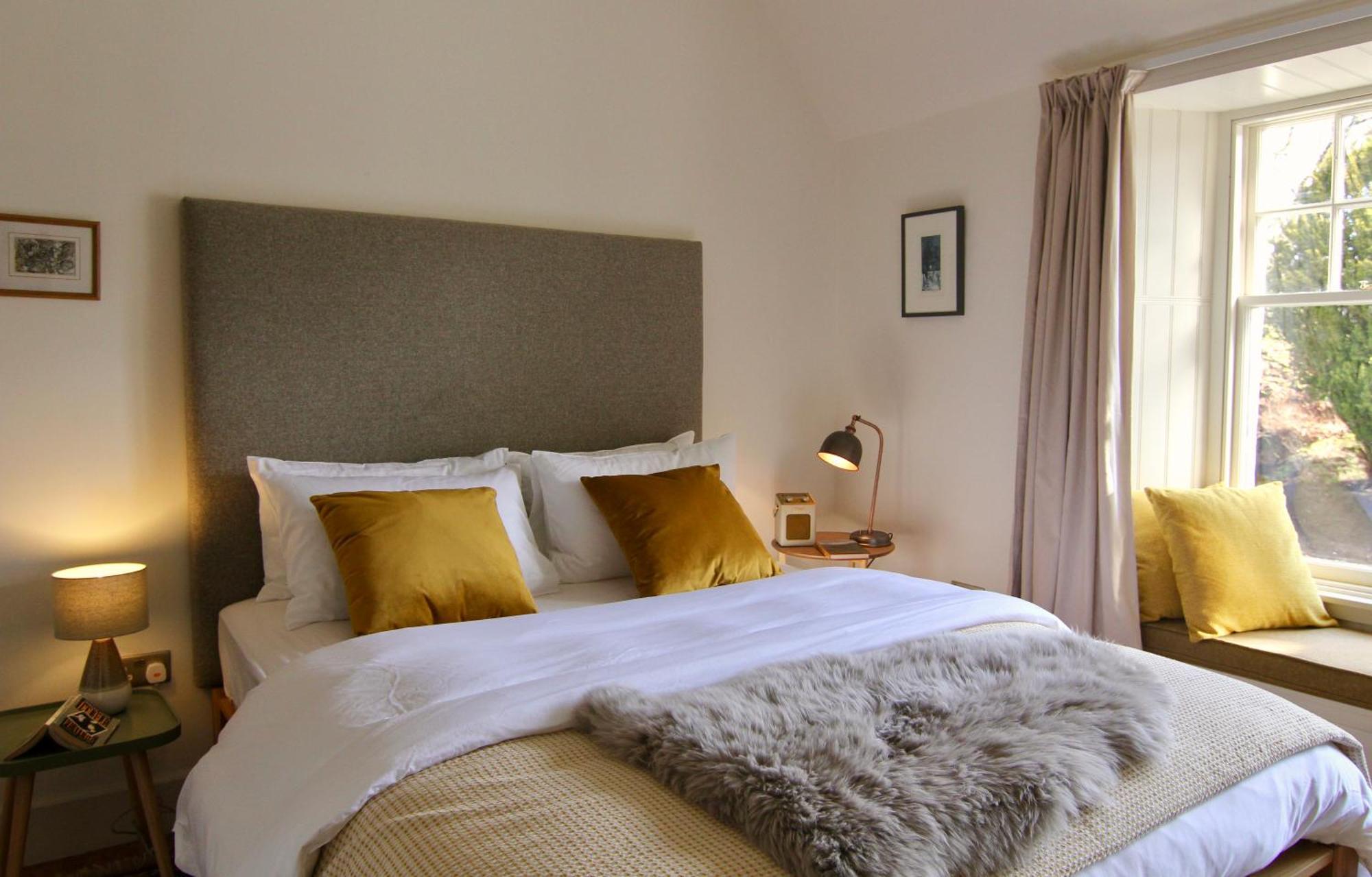
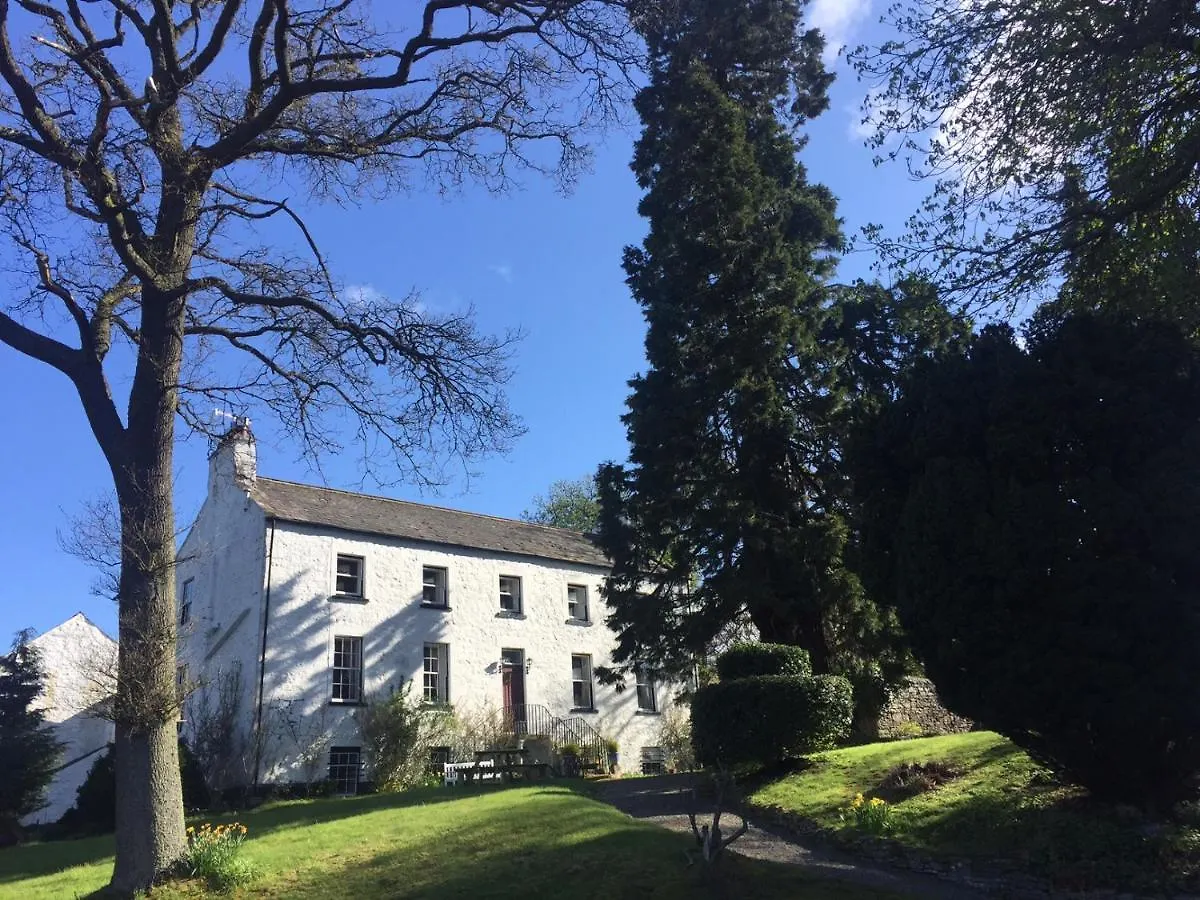
1. Lowbyer Manor Country House
Show on map


 Check-infrom 15:00 until 22:00Check-outfrom 08:00 until 10:00
Just a few rooms left at the best rate!
from£ 89
-
2. Champneys Forest Mere
Show on map


 Check-infrom 17:00 until 23:30Check-outuntil 10:00
Just a few rooms left at the best rate!
from£ 185
-
3. New Team I New Standards I Welcome To Adam Court Apartments I Refreshed I Revamped And Ready For You
Show on map


 Check-infrom 16:00 until 23:59Check-outuntil 10:00
Hurry – almost gone at this price!
from£ 63
-
4. Home At 42 Arkles Lane Anfield
Show on map


 Check-infrom 15:00 until 23:59Check-outuntil 11:00
Hurry – almost gone at this price!
from£ 133
-
5. Netherdale House & The Coach House
Show on map


 Check-infrom 16:30 until 21:00Check-outfrom 07:00 until 10:00
Rooms filling fast – secure the best rate!
from£ 695
Smart Timing & Booking Strategy for Extended Stays in the UK
The UK's peak travel season runs from late June through August, when school holidays drive up demand across rural guest houses, spa retreats, and family-oriented B&Bs simultaneously. Booking 4 to 6 weeks ahead is the practical minimum for properties like Netherdale House or Lowbyer Manor during summer, as smaller guest houses with under 10 rooms fill faster than large hotels and rarely discount last-minute. Champneys Forest Mere, as a premium spa property, maintains high occupancy year-round and should be booked further in advance regardless of season.
For contractor stays in Peterborough, demand is less seasonal and more project-driven - Adam Court Apartments tend to book out around major infrastructure or construction projects in the East Midlands, making rolling monthly bookings preferable to week-by-week renewals. September and October offer the best value window for leisure extended stays across the UK: crowds thin, prices soften by around 20% in rural areas, and the autumn light in Cumbria and Aberdeenshire is genuinely different from summer. Stays of 7 nights or more frequently unlock direct-booking discounts at independent properties, so contacting the property directly after an initial search is worth the extra step.