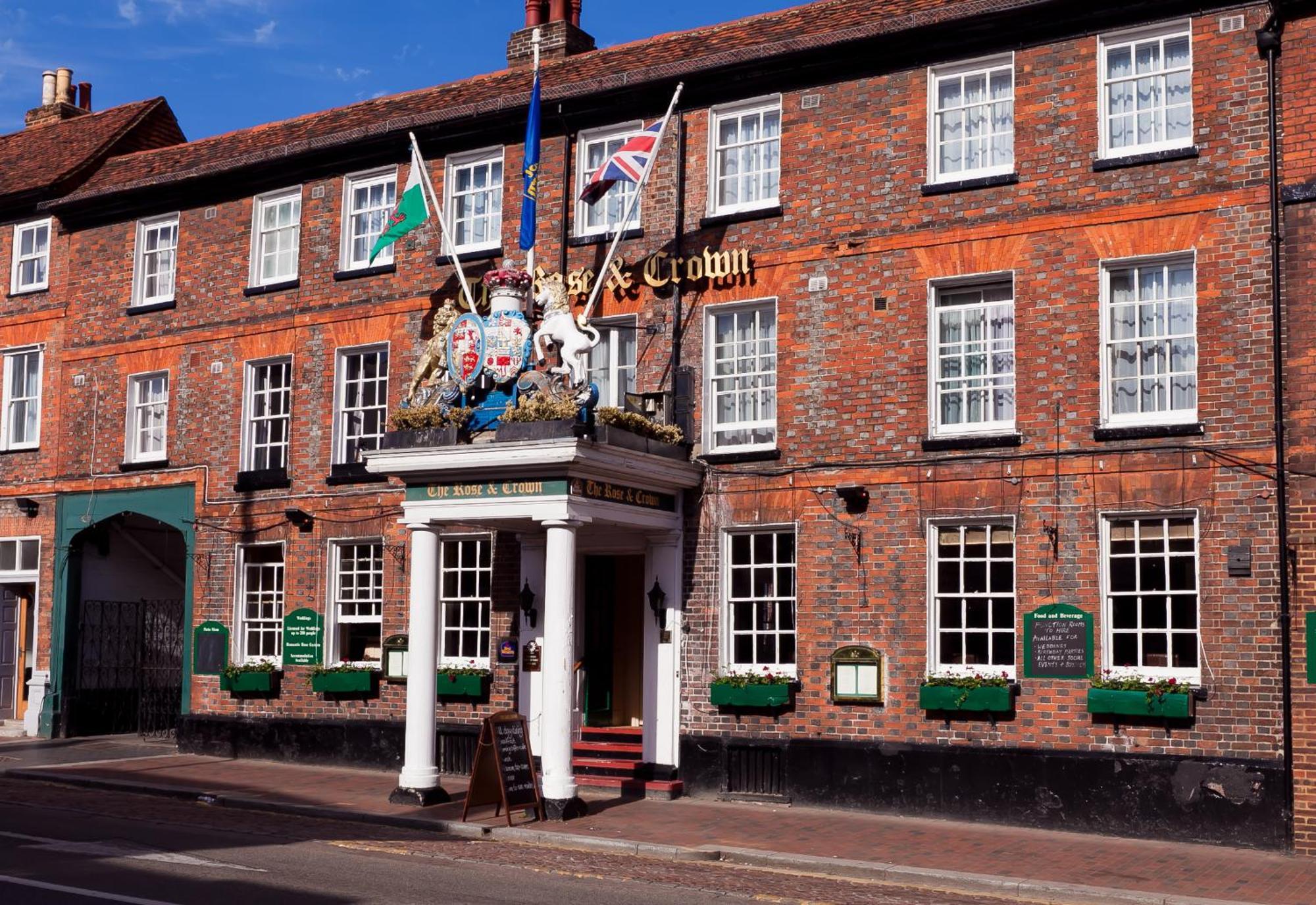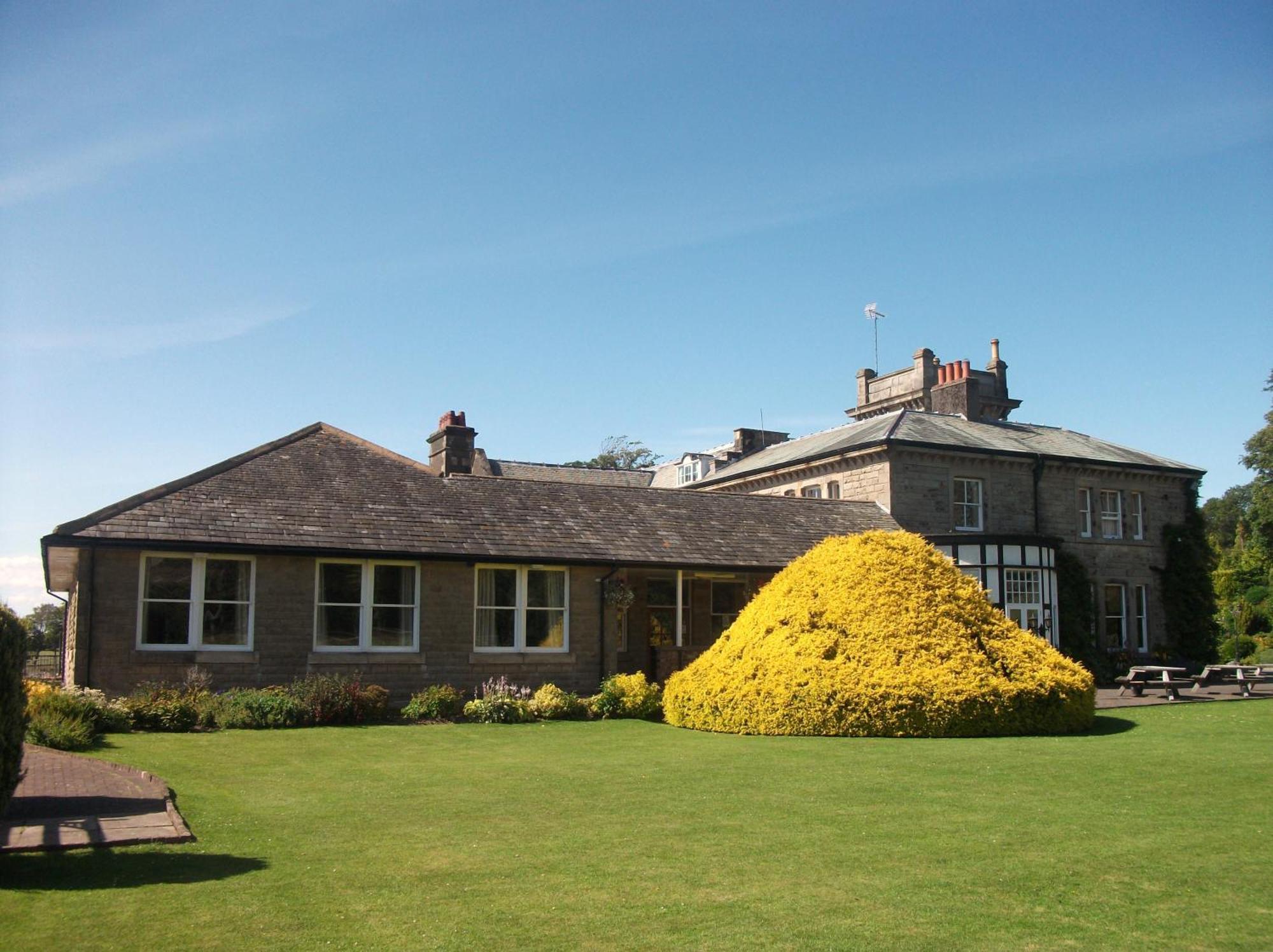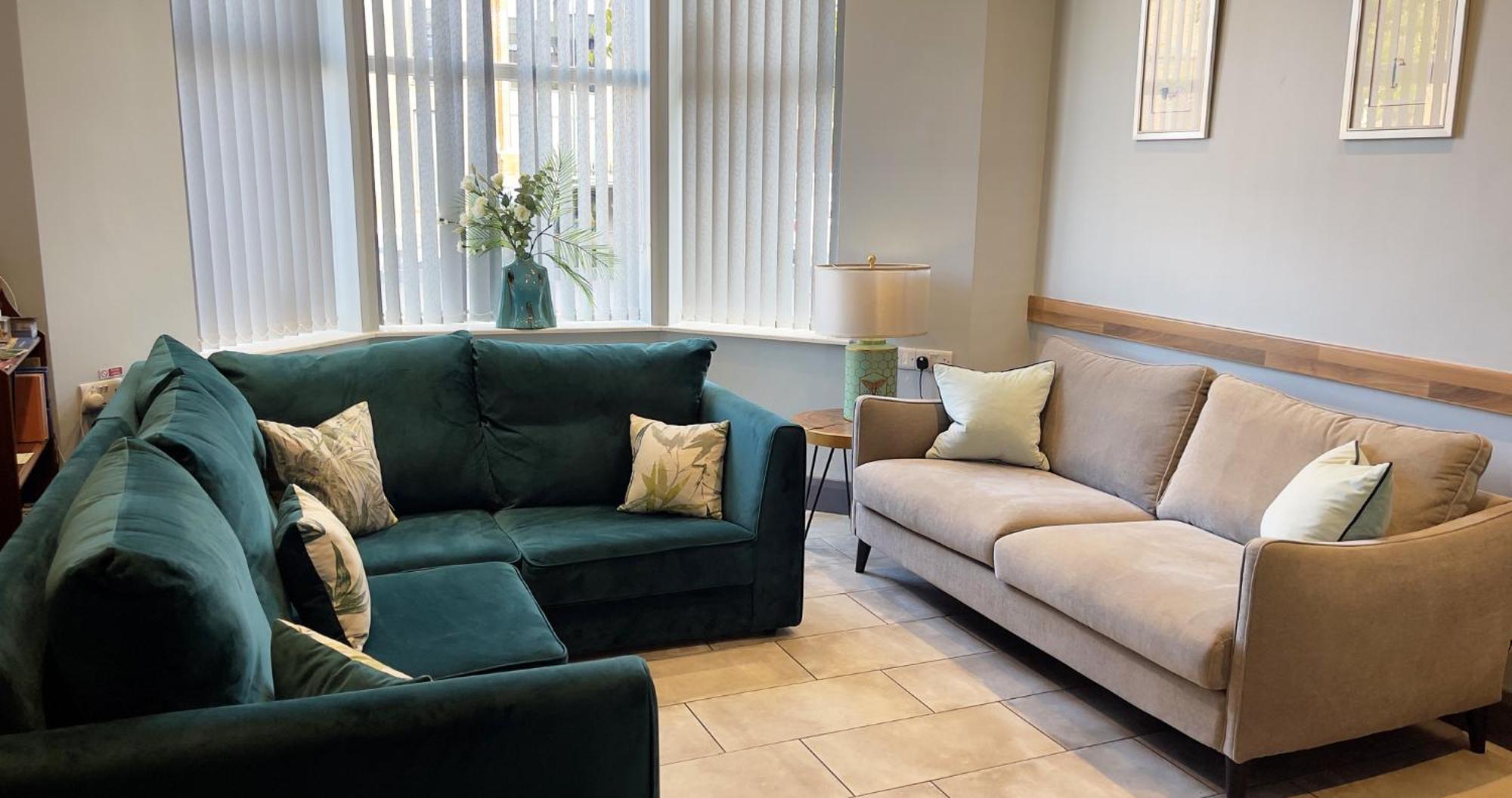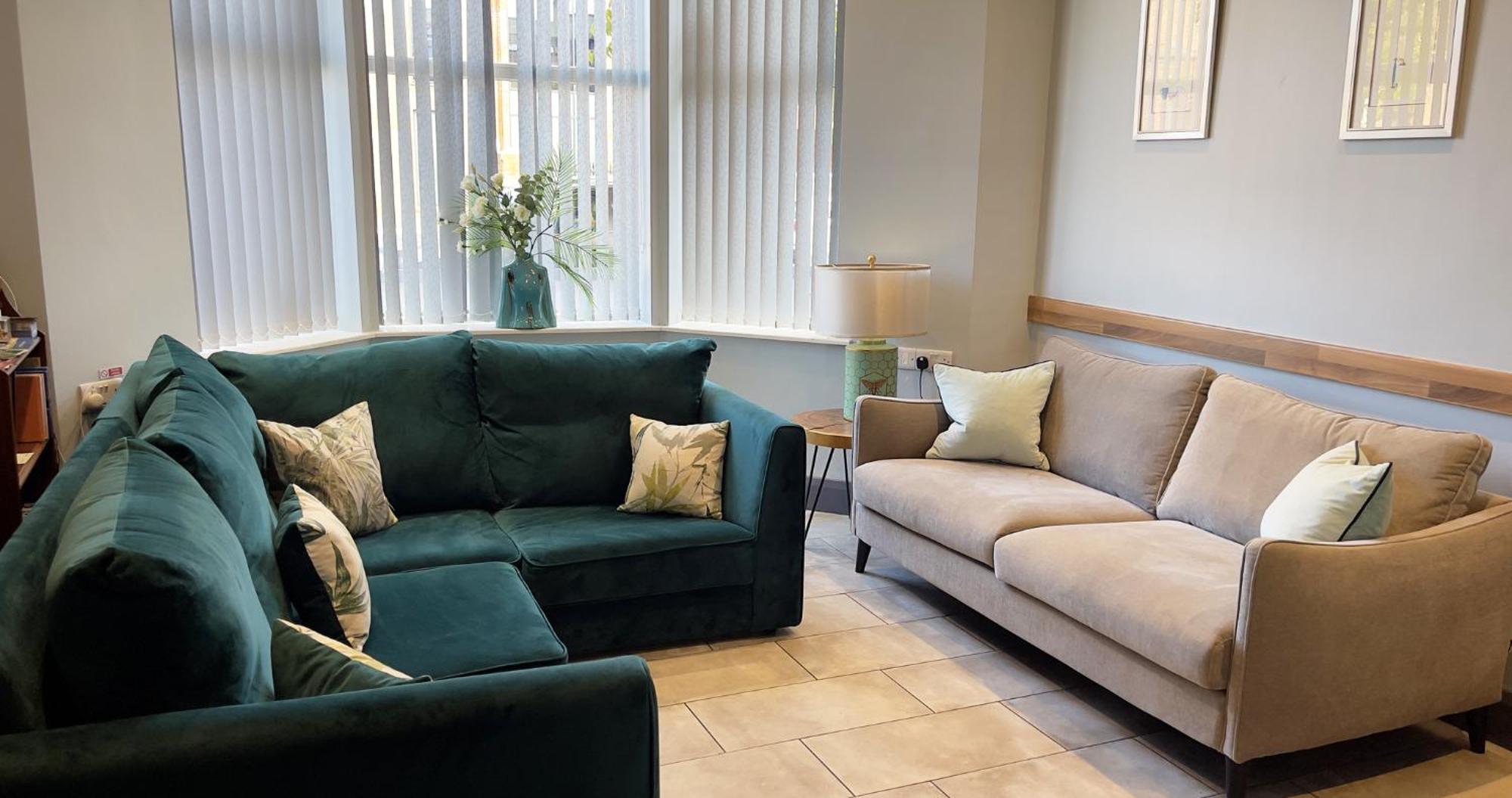
Western Lake District covers a stretch of Cumbria that most visitors bypass on their way to Windermere or Keswick - yet it offers direct access to quieter fells, coastal towns like Whitehaven, and working market towns like Wigton and Workington. Choosing a centrally located hotel here means you can reach Loweswater, Wasdale, and the Cumbrian coast without long detours. This guide covers 4 central hotels in Western Lake District, selected for their positioning, facilities, and practical value for travellers exploring this lesser-visited side of the national park.
What It's Like Staying in Western Lake District
Western Lake District sits between the rugged fells of the national park and the Solway Coast, giving it a dual character that differs sharply from the busier eastern and southern lake towns. Unlike Windermere or Ambleside, towns like Whitehaven and Workington function as genuine working communities, which means fewer tourist crowds and more authentic local infrastructure - shops, transport, and restaurants that serve residents year-round. Wigton Railway Station connects the area to Carlisle in under 30 minutes, making it a practical base even without a car.
Pros:
- Significantly fewer visitors than the central and southern Lakes, meaning easier access to hiking trails and quieter roads even during peak summer weeks
- Coastal and fell scenery within a single day trip, including Wasdale, St Bees Head, and Loweswater, all reachable within around 45 minutes
- Lower accommodation prices compared to Windermere or Grasmere, with more availability during school holiday periods
Cons:
- Limited public transport between villages means a car is strongly recommended for reaching key lakes and fells
- Fewer high-end dining and nightlife options compared to the tourist-dense eastern Lake District
- Some coastal towns like Workington have an industrial character that may not appeal to travellers seeking a picturesque village atmosphere
Why Choose a Central Hotel in Western Lake District
Central hotels in Western Lake District are typically located within or directly adjacent to town centres - Whitehaven, Workington, or Wigton - giving guests walkable access to local transport, restaurants, and services without relying on rural lanes. Room rates in this area average noticeably lower than equivalent properties in Ambleside or Bowness, often by around 30%, while still offering en-suite facilities and dining on-site. The trade-off is that these properties sit in functional market towns rather than scenic village settings, which suits business travellers, families on road trips, or walkers using the town as a logistics hub far better than those seeking a purely scenic retreat.
Pros:
- On-site parking is standard at most central hotels here, unlike in congested Lake District tourist villages where parking costs extra or requires a short walk
- Full-service amenities including restaurants, bars, and in some cases leisure facilities are common even at mid-range properties
- Proximity to rail stations and main roads makes multi-destination itineraries across Cumbria significantly easier to manage
Cons:
- Town-centre locations mean some road noise, particularly in Workington and Whitehaven where traffic continues into the evening
- Views from rooms tend to be urban rather than fell or lake-facing, unlike rural guesthouses deeper in the national park
- Walking distance to natural attractions is limited - most lakes and hiking trailheads require a drive from central town hotels
Practical Booking & Area Strategy for Western Lake District
For travellers prioritising fell walking and lake access, Loweswater and its surrounding villages offer the most immersive positioning - Kirkstile Inn in Loweswater, for example, places guests within direct walking distance of the lake and access paths to Melbreak and Grasmoor. Whitehaven works best as a base for coastal walking along the Cumbrian Coastal Way or for business trips to west Cumbrian industries, with the town centre offering supermarkets, rail links to Carlisle, and ferry connections nearby. Workington, as the largest town in the western district, has the strongest transport infrastructure and is the most practical hub for travellers combining the Lakes with broader Cumbrian exploration. Book at least 6 weeks ahead for summer stays between July and August, when even the less-visited western fells see increased footfall from long-distance walkers on the Coast to Coast and Cumbria Way routes. Popular local attractions include Muncaster Castle, Whinlatter Forest Park, the Ravenglass & Eskdale Railway, and the summit of Scafell Pike - all reachable as day trips from western bases.
Best Value Stays
These properties deliver strong practical value, combining on-site dining, free parking, and well-equipped rooms at price points that undercut comparable options in the central Lakes.
-
1. Wheyrigg Hall Hotel
Show on map


 Check-infrom 14:00 until 23:00Check-outuntil 10:00
Just a few rooms left at the best rate!
from£ 67
-
2. Washington Central Hotel And Sleepwell Inn
Show on map


 Check-infrom 15:00 until 22:00Check-outfrom 07:00 until 11:00
Just a few rooms left at the best rate!
from£ 126
Best Premium Stays
These properties offer stronger location credentials for fell and lake access or bring a higher standard of setting and guest experience - suited to travellers who want more than a functional base.
-
3. Kirkstile Inn
Show on map


 Check-infrom 15:00 until 22:30Check-outfrom 08:00 until 11:00
Hurry – almost gone at this price!
from£ 166
-
4. Georgian House Hotel
Show on map


 Check-infrom 16:00 until 22:00Check-outfrom 07:00 until 10:00
Rooms filling fast – secure the best rate!
from£ 147
Smart Travel & Timing Advice for Western Lake District
Late May through early July is the most balanced window for visiting western Lake District: the fell paths are dry, daylight hours are long, and accommodation availability remains higher than during the peak school summer holidays. August sees the sharpest price increases and the highest occupancy at rural properties like Kirkstile Inn, where rooms can sell out weeks in advance for weekend stays. September and October bring excellent walking conditions with autumn colour on the lower fells, and rates at town-centre hotels in Workington and Whitehaven drop noticeably as leisure demand eases. A stay of around 3 nights is the practical minimum for covering western highlights - Wasdale, Loweswater, the Cumbrian Coastal Way, and Muncaster Castle - without rushing. Book rural properties at least 8 weeks ahead for summer; town-centre hotels in Workington and Whitehaven can often be secured with shorter lead times outside peak periods. Last-minute deals are rare at the smaller inns but more likely at the Washington Central, which caters to a business travel segment that drops off at weekends.